







APRIL 2025
OFFICE CHAIR CUSHION PERFORMANCE TESTING
Interested in learning more? SEE THE FULL STUDY
AUGUST 2025
HUMAN-BASED POSTURE + PRESSURE TESTING
Interested in learning more? SEE THE FULL STUDY
The University of Pittsburgh School of Health and Rehabilitation Sciences conducted standardized bench testing on 11 leading office chairs, using pressure mapping technology to measure Peak Pressure Index—the most relevant comfort metric for the average office worker who sits 8+ hours a day.
PRESSURE MAPPING ISO 16840-6
PEAK PRESSURE INDEX: WHY IT MATTERS
Peak pressure refers to concentrated force under the sit bones (ischial tuberosities). Higher values (in red) can cause discomfort, while lower values (in blue) mean better pressure distribution and more comfort during long seated hours. Pitt’s test used a rigid load indenter to ensure repeatable and unbiased results.
*Performed April 5, 2025 using ISO 16840-6 methodology with a rigid load indenter.
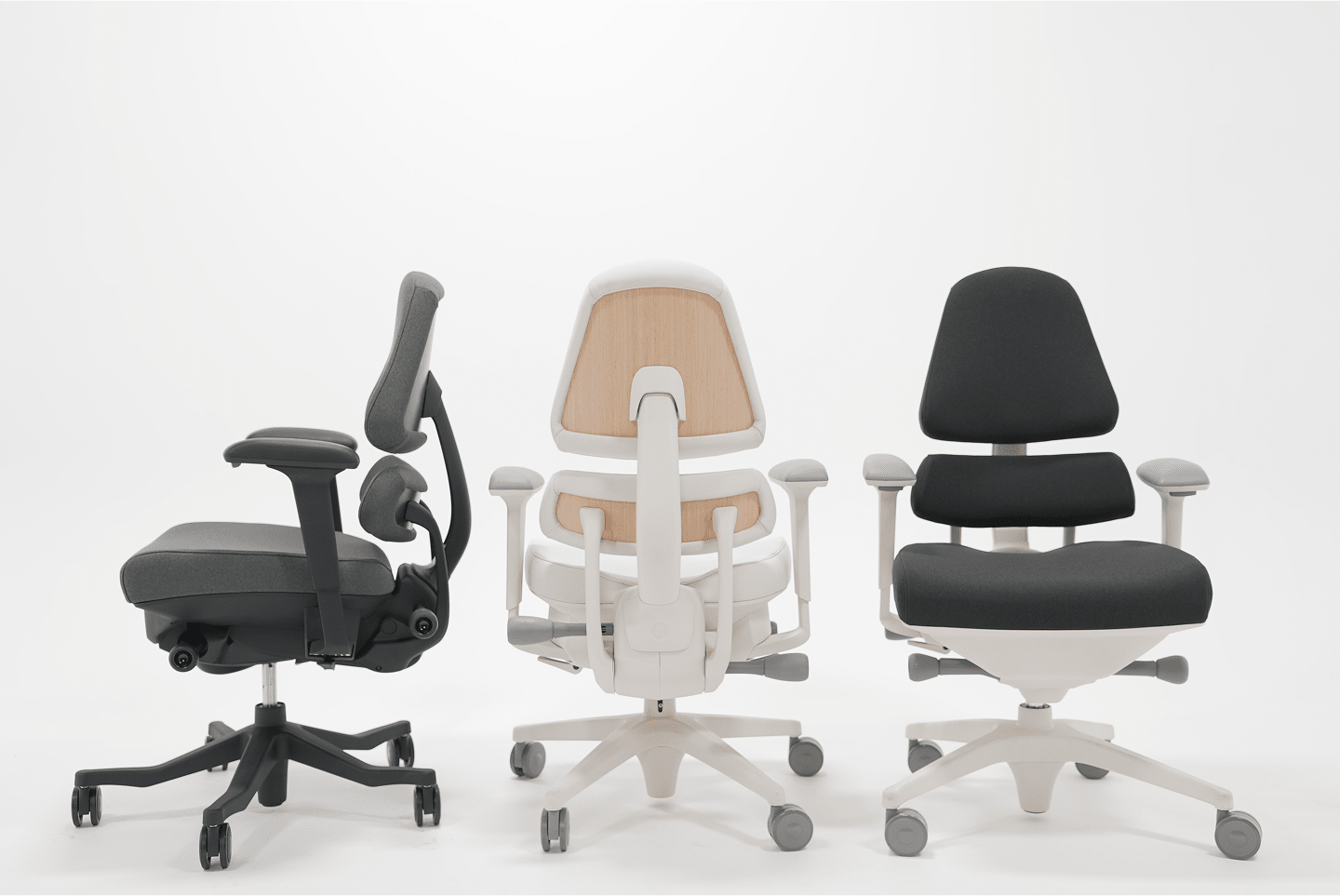
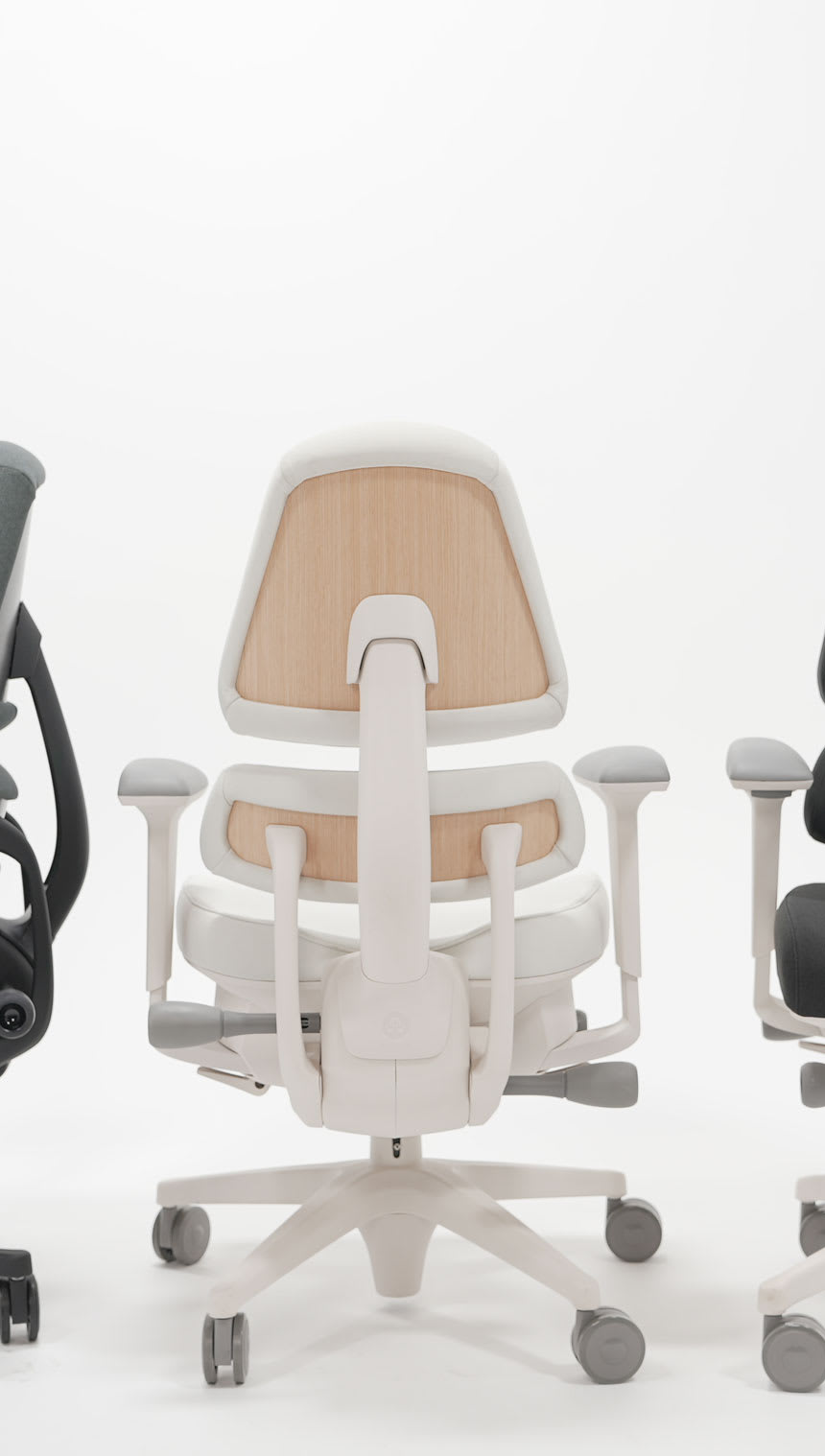
ANTHROS CHAIR
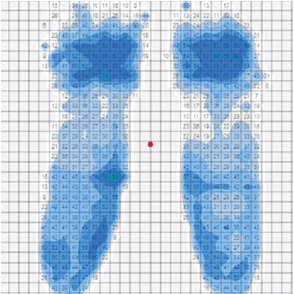
SECRETLAB TITAN™
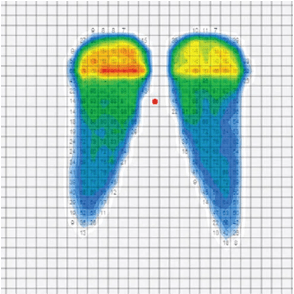
HERMAN MILLER® EMBODY
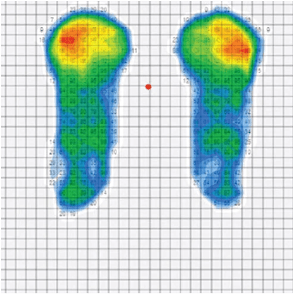
HERMAN MILLER® AERON
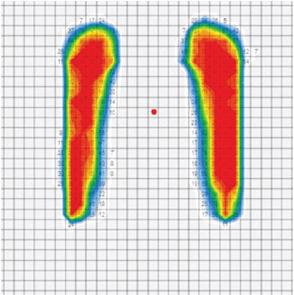
PITTSBURGH RESULTS (Cushion Only Testing)
Peak Pressure Index—Lower is Better
LESS
0 mmHg
MORE
200 mmHg
i Limitations of Rigid Testing
While helpful for measuring cushion mechanics, rigid load testing doesn't reflect how real people move, shift, or react to sitting. It lacks soft tissue variation, muscle activity, and real-life posture changes. That’s why human testing is essential to complete the story.
*Performed on 4/5/25 at the University of Pittsburgh with a rigid load indenter. Human results may vary.
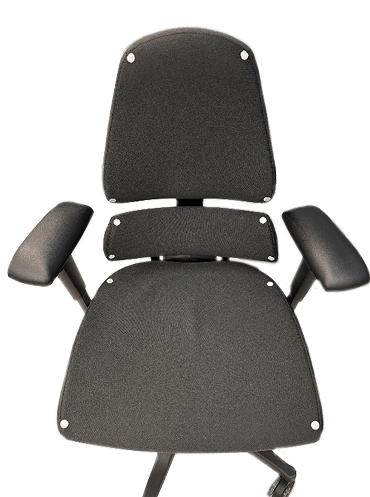
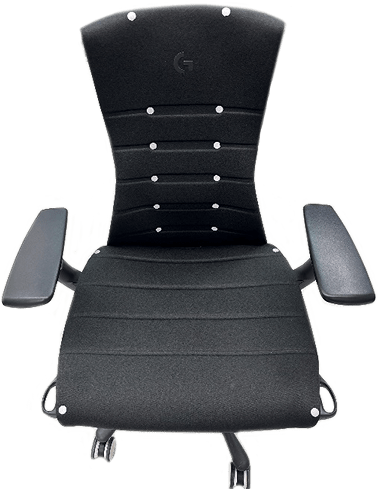
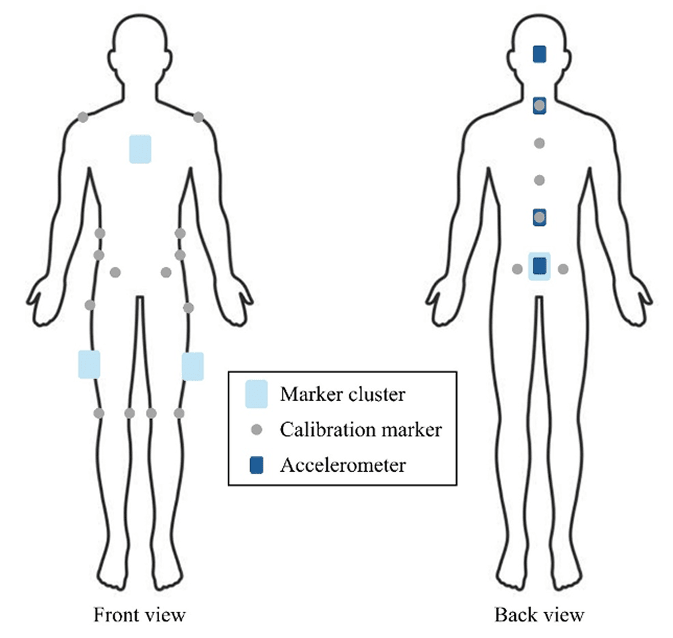
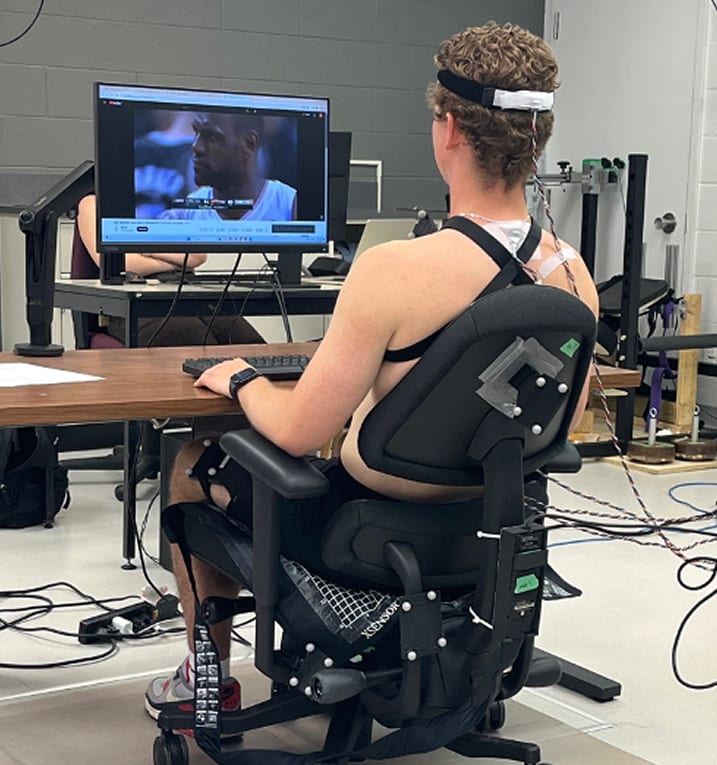
To evaluate how chairs perform with actual people, researchers at the University of Waterloo conducted a comprehensive biomechanical study comparing the Anthros chair to the Herman Miller x Logitech Embody. This study measured spinal posture, pelvic position, seat pressure, pain responses, and productivity during real seated computer work.
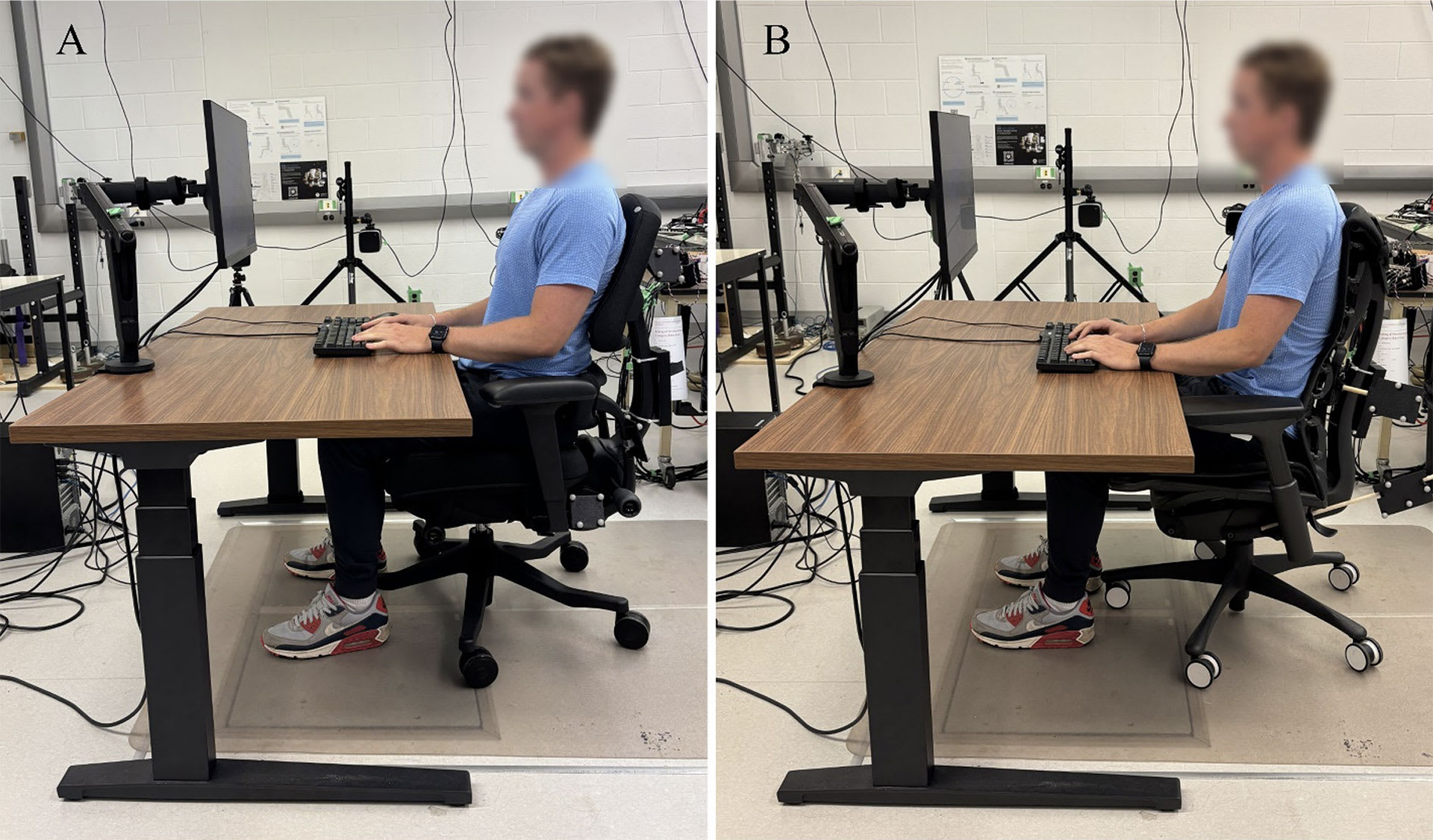
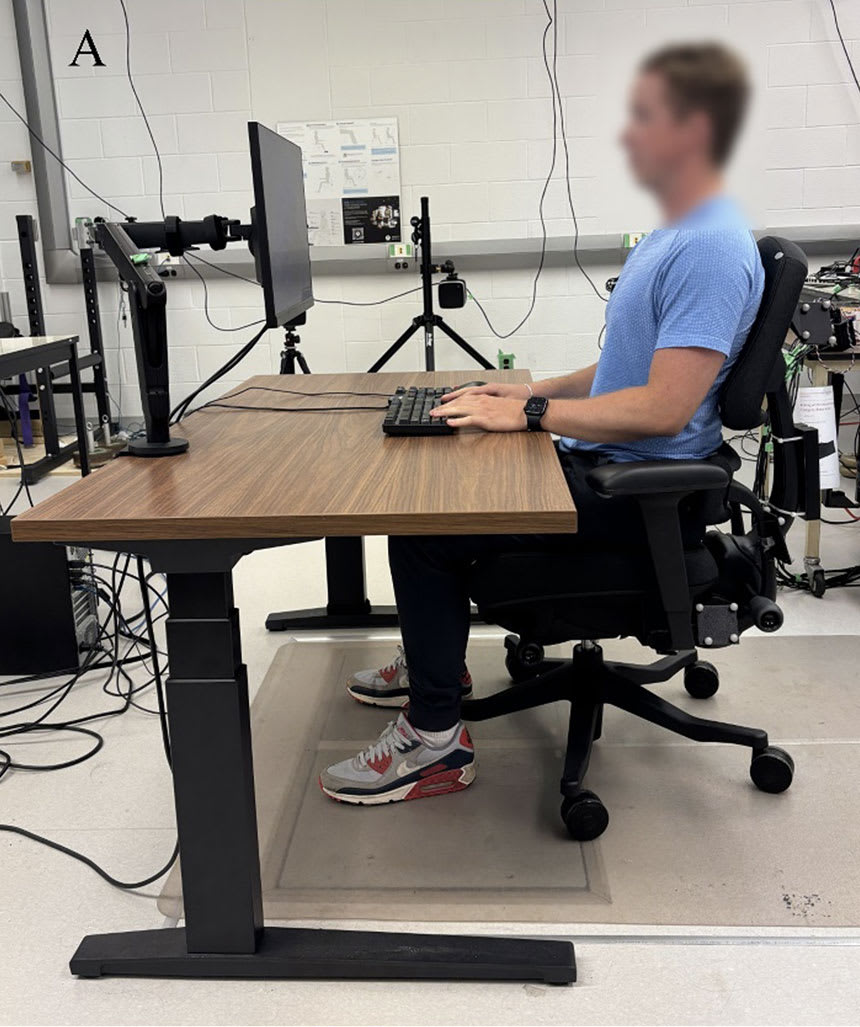
WHAT THEY TESTED
- POSTURAL ALIGNMENT (Spine + Pelvis)
- SEAT PAN PRESSURE (Peak + Distribution)
- PAIN RATINGS (Upper Back, Lower
Back, Buttocks) - PRODUCTIVITY (Typing, Reading,
Data Entry)
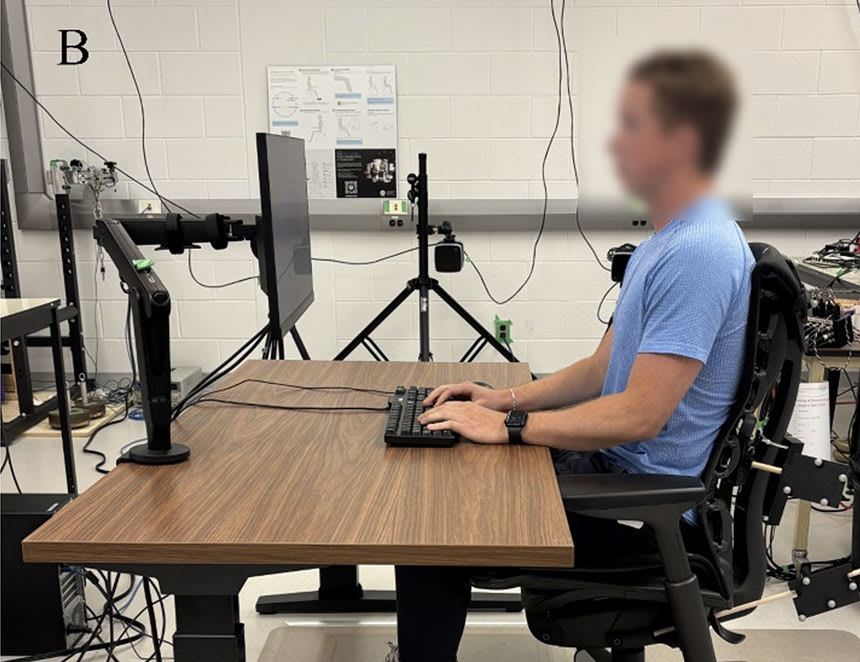

16 participants (equal number of men and women) completed one hour of work in each chair.
POSTURAL ALIGNMENT FINDINGS
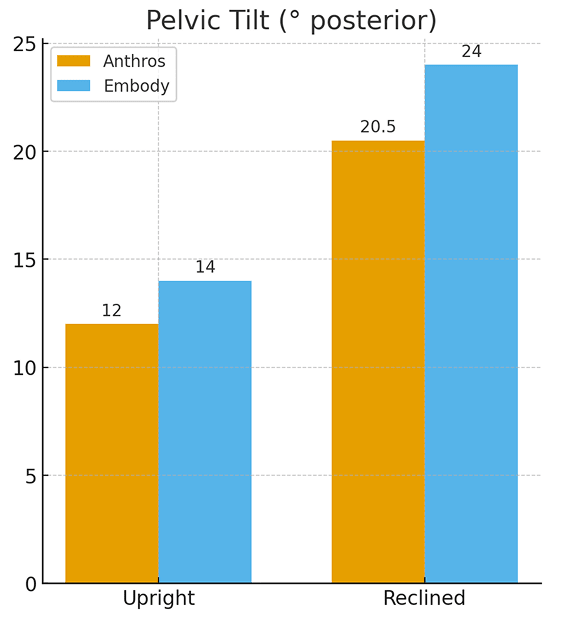
- Pelvis support
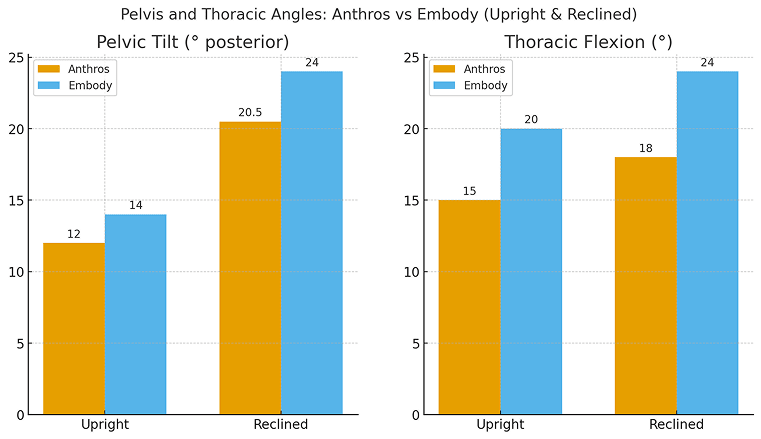
Anthros reduced posterior pelvic tilt by 2° for males and 4° for females at the start of sitting—promoting a more upright, healthier seated posture than Embody.
Why it matters:
Posterior pelvic tilt leads to slouching and low back strain. Reducing it helps maintain a healthy spine curve and prevent pain.
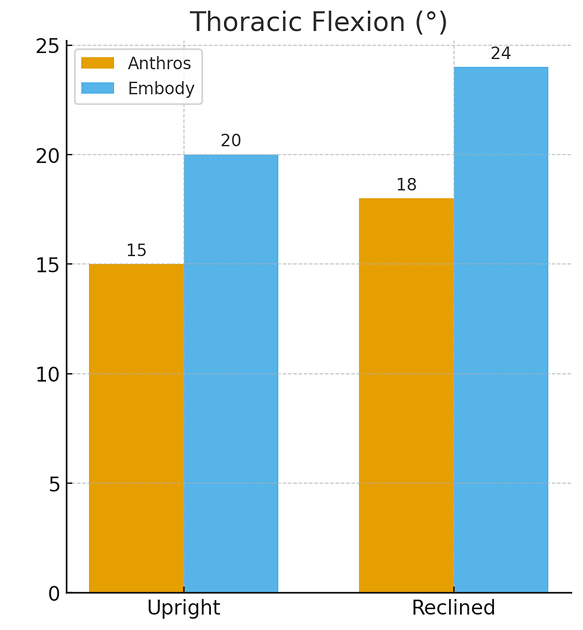
- Thoracic spine
Users had 4–6° less upper back slouching in the Anthros chair. This upright posture was consistent across all tasks, especially when reading.
Why it matters:
Many people have developed a rounded upper back due to years of slouching. The Anthros upper back helps reduce this promoting improved muscle balance and decreased pain or strain.
- Reclining benefit
Reclining in Anthros reduced lumbar spine flexion and helped users maintain a more neutral spine when returning to upright sitting—indicating better postural recovery.
Why it matters:
This shows that Anthros is maintaining good posture in the tilted position as well as returning to upright. This leads to prolonged sitting in good posture without having to think about it.
SEAT PAN PRESSURE FINDINGS (REAL HUMANS)
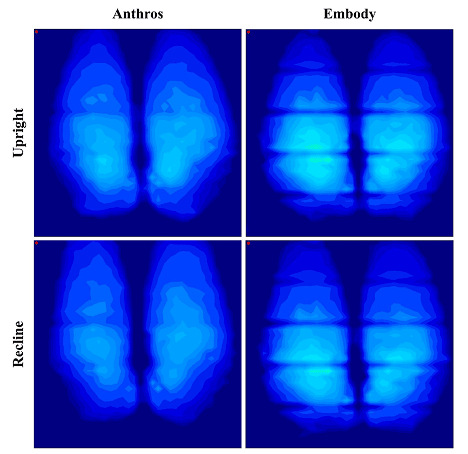
- 36 mmHg lower peak pressure in Anthros vs. Embody
- Smaller total pressure, and with better pressure dispersion, especially in men
- Participants sat slightly more upright in Anthros, helping with upright posture
Key Takeaway Even with smaller contact area, Anthros delivered better comfort and lower pressure due to smart cushion design and posture alignment.
PAIN +
PRODUCTIVITY
Pain Ratings No clinically relevant increases in low back, upper back, or buttock pain with Anthros. Even with more upright posture, users stayed comfortable.
Productivity Typing speed, data accuracy, and comprehension were not affected by posture changes. Anthros supports focus and flow.
FINAL TAKEAWAY
Anthros combines pressure relief with real human posture optimization.
Pittsburgh showed it has the best pressure-mapped cushion.
Waterloo proved it helps you sit upright, stay comfortable, and remain productive.
Discover the science behind the chair that ranked #1 in pressure mapping and delivers real ergonomic performance for real people.